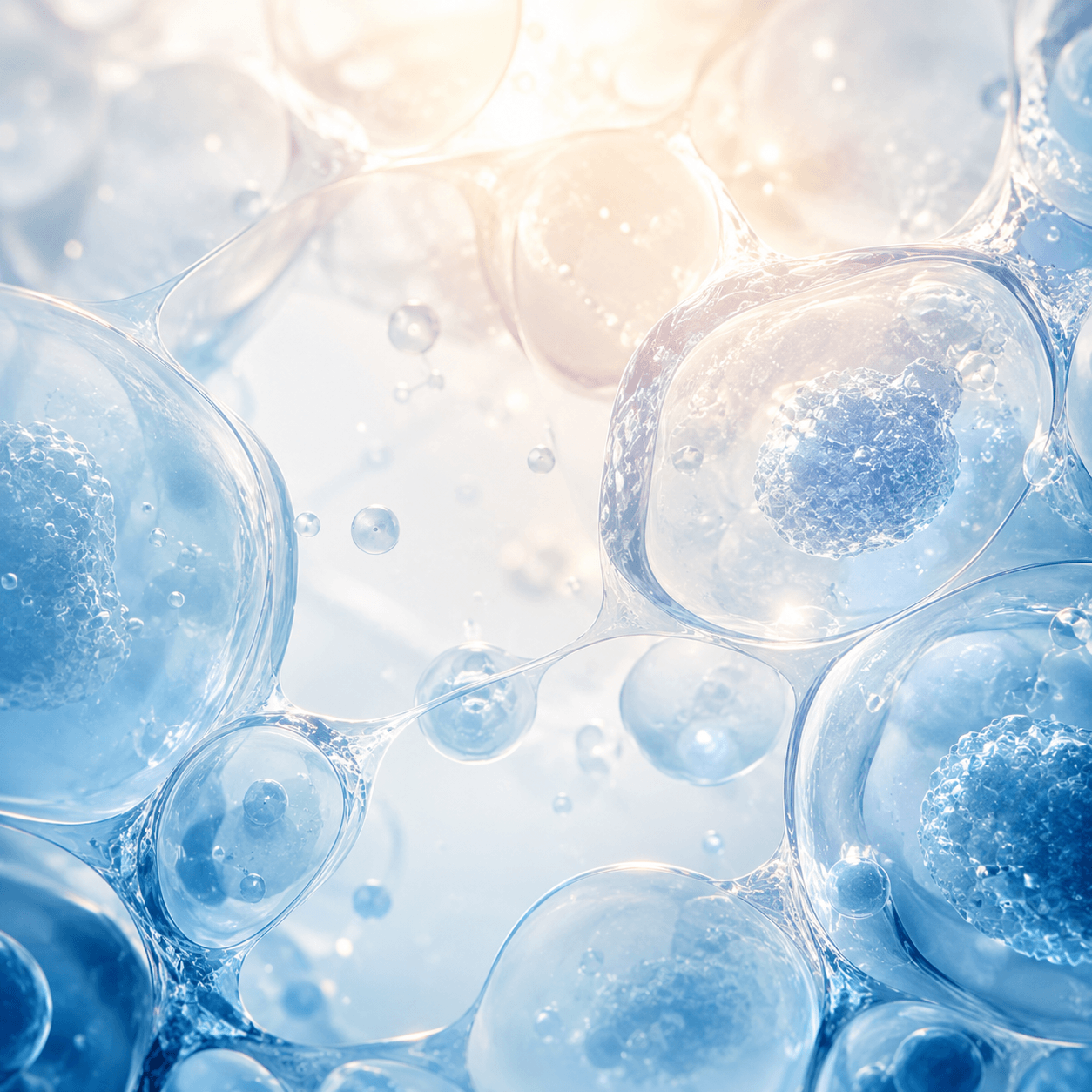
Every day, your body is quietly carrying out countless biological processes that help maintain normal function. While these activities often go unnoticed, they are an essential part of how living systems continue to operate over time. From replacing older cells to maintaining tissues, these natural processes are the focus of ongoing scientific research around the world.
Understanding these mechanisms doesn’t require a background in biology. At their core, they demonstrate how dynamic the human body truly is, constantly adapting to everyday demands through carefully coordinated cellular activity.
A Body in Constant Motion
Although we often think of the body as remaining the same from one day to the next, many of its cells are continually being replaced. Different tissues renew at different rates depending on their role, and this ongoing turnover helps maintain normal structure and function throughout life.
This continuous renewal is a normal characteristic of living organisms and highlights the remarkable complexity of biological systems.
The Role of Cells
Cells are the building blocks of every tissue in the body. They communicate with one another, respond to signals from their surroundings, and perform specialized functions depending on where they are located.
Scientists continue to study how cells coordinate these activities, exploring the communication networks that allow tissues to maintain balance and respond to normal wear over time. Research in this field helps expand our understanding of biology without assuming that every discovery will lead directly to practical applications.
Why Researchers Study Biological Maintenance
One of the most fascinating areas of modern biology involves understanding how tissues maintain themselves throughout a lifetime.
Researchers investigate questions such as:
- How do cells communicate with neighboring cells?
- What signals help regulate normal tissue maintenance?
- Why do some tissues renew more quickly than others?
- How do different cell types interact within complex biological systems?
These questions continue to drive scientific exploration in universities and research laboratories worldwide.
Learning Through Observation
Scientific progress often begins with careful observation.
Using advanced laboratory techniques, researchers can observe cells, examine tissue structure, and study biological processes at microscopic levels. Modern imaging technologies and analytical tools have made it possible to explore details that were once impossible to visualize.
Each new discovery adds another piece to the larger picture of how living systems function.
The Importance of Quality Research
Scientific knowledge develops through careful experimentation, repeated testing, and independent verification. Individual findings are evaluated alongside other studies before broader conclusions are reached.
This emphasis on consistency and transparency helps ensure that scientific understanding continues to improve over time. Research is an ongoing process, with each study contributing to a growing body of evidence rather than providing all the answers at once.
A Constantly Evolving Field
Biology remains one of the fastest-evolving scientific disciplines. As technology advances, researchers gain new tools for studying cellular behavior, tissue organization, and molecular interactions with increasing precision.
These advances continue to deepen our understanding of how living organisms function while opening new avenues for future scientific investigation.
Looking Ahead
The study of cellular renewal and biological maintenance remains an active area of scientific research. Every discovery helps researchers better understand the remarkable complexity of living systems and the processes that support normal function throughout life.
While many questions remain, one thing is clear: the human body is far more dynamic than it appears. Beneath the surface, countless biological processes are taking place every moment, providing researchers with endless opportunities to learn more about the science of life itself.